
Quick Summary
An ingredient list on a skincare label shows what the formula contains, sorted from highest to lowest concentration. Read the first five to seven entries for most of the formula, then check for your personal avoid-list and any hero actives you want. Note that "clean" on the front is a marketing claim, not a verified standard.
- Ingredients are listed in descending order of concentration, with those under about 1% usually at the end.
- Scan the first five to seven ingredients, since they make up most of the formula.
- Look up unfamiliar ingredients by their INCI name, because one substance can have several names.
- Fragrance is the most common cause of contact reactions, so choose fragrance-free if you have sensitive skin.
- Introduce strong actives like retinoids one at a time and wait a few weeks before adding the next.
Table of Contents
- What Clean Skincare Actually Means on a Label
- How to Read an Ingredient List Step by Step
- Skincare Ingredients to Avoid and Why
- Clean Beauty Ingredients to Look For
- Fragrance, Essential Oils and Sensitization Risk
- Using a Skincare Ingredient Checker and Its Limits
- Dose, Exposure and Sensitive Skin: Putting Risk in Context
- Building Your Own Ingredient Checklist Before You Buy
- Frequently Asked Questions
What Clean Skincare Actually Means on a Label
Last Updated: November 10, 2026
Clean skincare has no single legal definition, and that is the first thing to understand before you read any label. Most brands use "clean" to mean they avoid a chosen list of ingredients, but each brand picks its own list. Two products can both be called clean and contain very different formulas. A clean skincare ingredient list guide is most useful when it teaches you to check the label yourself rather than trust the word on the front.
Shoppers often arrive with a clear goal: they want fewer harsh or unnecessary ingredients and more transparency. That goal is reasonable. The problem is that "clean" on a bottle is a marketing claim, not a standard you can verify. What you can verify is the ingredient list itself, which every cosmetic product sold in the US must print FDA cosmetic labeling requirements.
Here is the practical takeaway: treat "clean" as a starting point for research, not a conclusion. Read the list, identify what each ingredient does, and decide against your own criteria.
How to Read an Ingredient List Step by Step
The list gives you a rough map of what is in the formula, and it follows a consistent rule. Ingredients are listed in descending order of concentration, with ingredients under about 1% usually appearing in any order at the end. That single rule explains most of what you need to know when you scan a label.
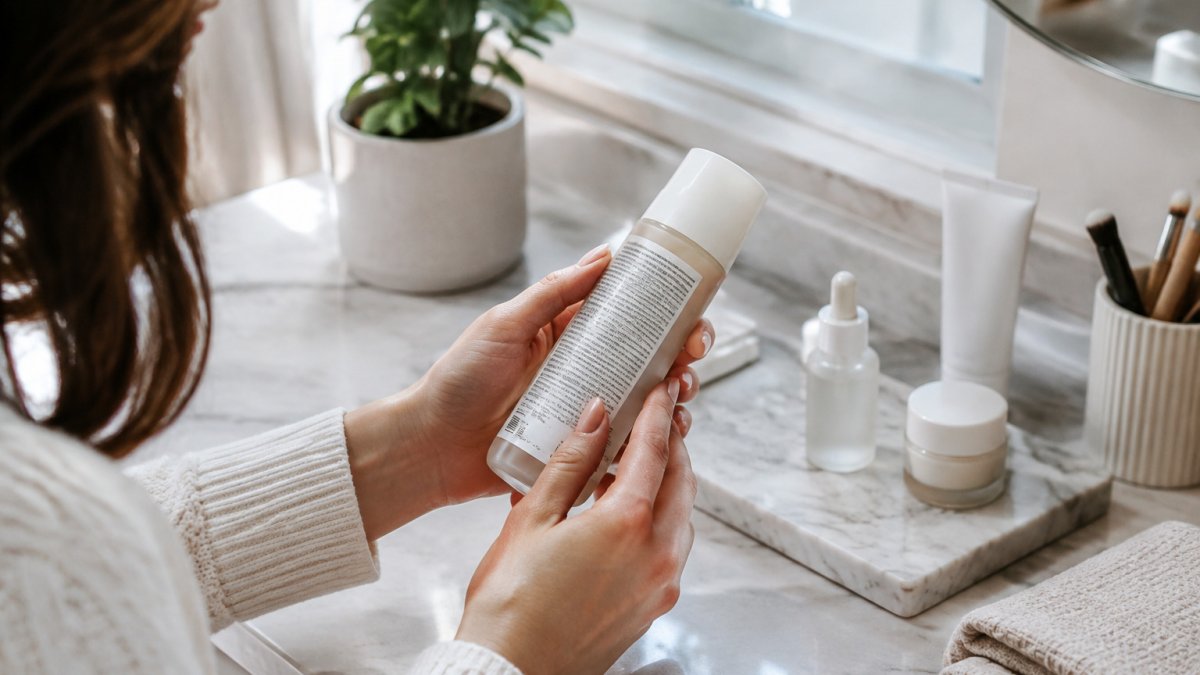
A simple method works well for a first pass:
- Find the full list, usually on the back or bottom of the packaging.
- Scan the first five to seven ingredients. These make up most of the formula.
- Look for your personal avoid-list and for any hero ingredient you bought the product for.
- Check the end of the list for preservatives, fragrance and colorants.
- Note anything you cannot identify and look it up.
Why Ingredient Order Matters and Where It Stops
Order tells you what is most abundant, so a serum listing hyaluronic acid near the top is likely to contain a meaningful amount of it. Order stops being useful at the bottom of the list, and it cannot tell you whether an active is present at an effective strength. A hero ingredient placed near the end is often a sign it is present in trace amounts, though brands sometimes list concentrated actives in small-volume products differently. Order also says nothing about dose: a potent ingredient in a small amount can be perfectly appropriate.
Decoding INCI Names and Synonyms
Labels use INCI names, the internationally standardized names used across cosmetics. The same ingredient can appear under several names. Glycerin, glycerol and propane-1,2,3-triol refer to the same substance. Vitamin C may appear as ascorbic acid, sodium ascorbyl phosphate or ascorbyl glucoside, which are different molecules with different behavior. Searching the exact INCI name in a reputable database is more reliable than searching a common name alone.
The ingredient list follows a consistent order, and the steps below show how to scan a label quickly.
| Step | What to do | Focus |
|---|---|---|
| 1 | Find the full list | Usually on the back or bottom |
| 2 | Scan the first five to seven | These make up most of the formula |
| 3 | Check your avoid-list and hero ingredients | Match against your own criteria |
| 4 | Check the end of the list | Preservatives, fragrance, colorants |
| 5 | Look up anything unidentified | Use the INCI name in a database |
Skincare Ingredients to Avoid and Why
Avoid lists are personal, and the evidence for many popular "avoid" ingredients is weaker than marketing suggests. Some ingredients do have documented concerns for specific people. Fragrance is the most common cause of contact reactions in cosmetics, and American Academy of Dermatology guidance on fragrance allergy recommends fragrance-free products for people with sensitive skin. Parabens and certain drying alcohols also appear on many avoid lists, but their risk profile depends on concentration, formula and the individual.
Build your list around problems you have actually experienced, such as stinging, redness or breakouts, rather than adopting a list because it is popular.
Clean Beauty Ingredients to Look For
Many shoppers look for ingredients with a long track record, a clear mechanism and a well-understood profile of benefits and trade-offs. "Clean" does not define which ingredients qualify, so the more useful question is whether an ingredient's function matches your goal and whether you can tolerate it.
Humectants. Hyaluronic acid and glycerin draw water into the outer skin layer. They are generally well tolerated across skin types, which makes them a common foundation in hydrating formulas. Their effect depends on humidity: in very dry air they can pull moisture from deeper layers, so a occlusive layer on top helps.
Antioxidants and brighteners. Vitamin C appears under several names, and the form matters. L-ascorbic acid is the most studied and the most irritating at higher strengths, while derivatives such as sodium ascorbyl phosphate tend to be gentler but convert to active vitamin C more slowly. Niacinamide is frequently used for uneven tone and barrier support and is often tolerated well, though some people notice flushing at high concentrations.
Exfoliating acids. Alpha hydroxy acids such as glycolic and lactic acid work on the surface and bonds between dead skin cells. Beta hydroxy acids such as salicylic acid are oil-soluble and can penetrate into pores. Both increase sun sensitivity, so daytime sunscreen use matters once they are part of a routine.
Retinoids. Retinol and related compounds are converted in the skin to retinoic acid, which speeds cell turnover and supports fine-line and tone improvement. Introduce them slowly, often two or three evenings a week, because early irritation (dryness, peeling, redness) is common and usually settles with consistent use.
Watch out: combining several strong actives in one routine, such as a retinoid, a glycolic acid toner and a vitamin C serum, is a common cause of irritation. Introduce one at a time and wait a few weeks before adding the next.
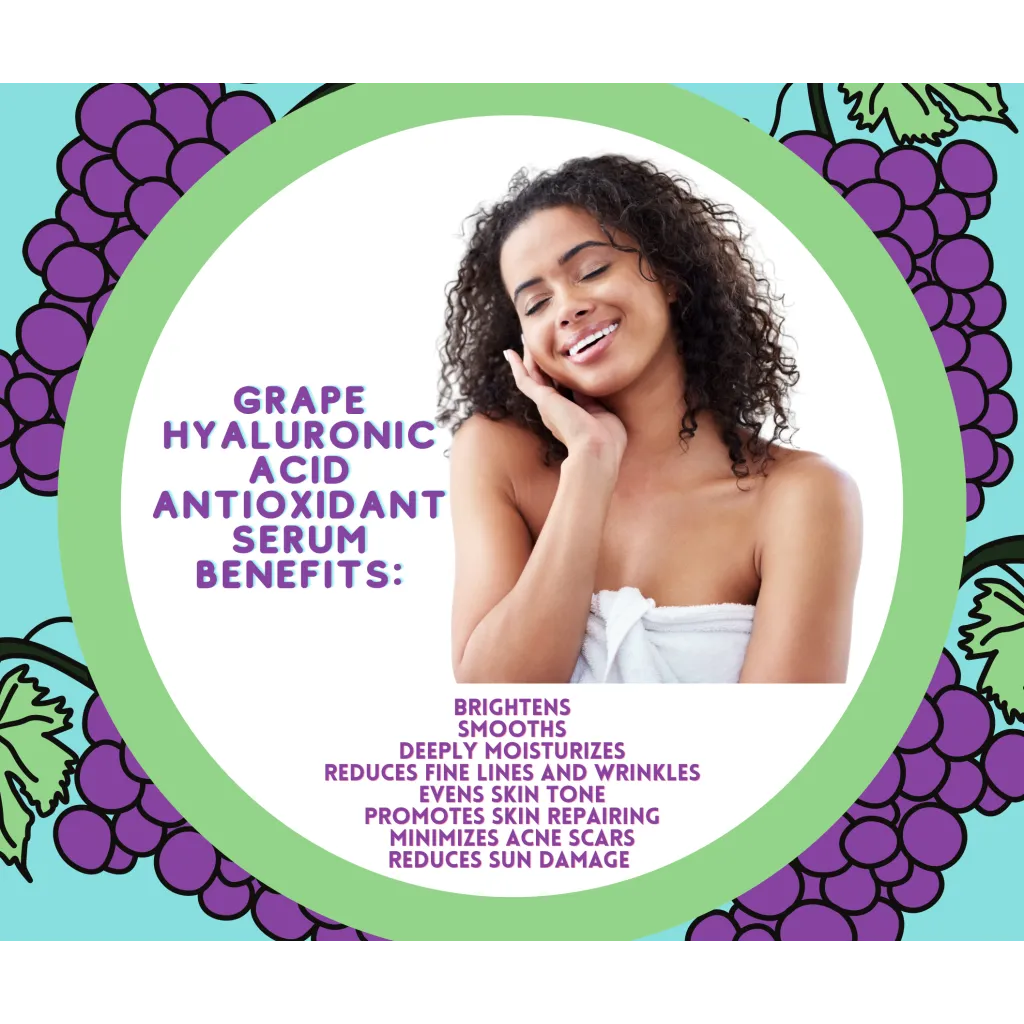
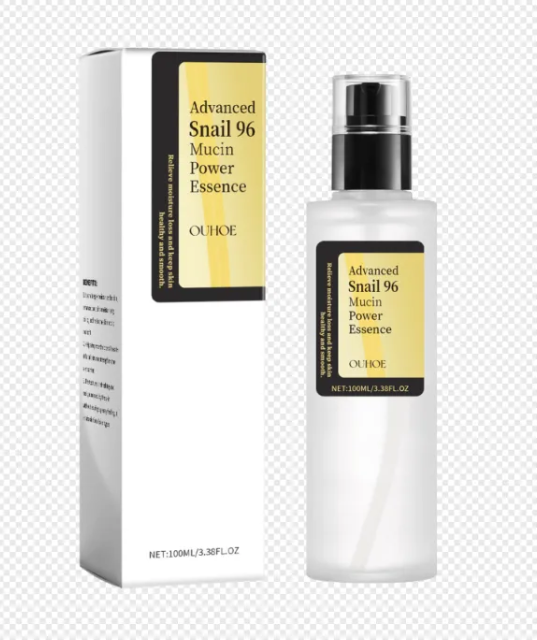
Ingredient choice matters less than fit. A well-formulated product with familiar actives can still irritate a reactive complexion, so match the active to your skin type and current concerns, and check how your skin responds before increasing frequency. For a hydrating base, the product: Hyaluronic Acid + Vitamin C Serum pairs hyaluronic acid with vitamin C, while the product: Snail Mucin Revive Moisturizer uses snail mucin for hydration and a dewy, plump finish.
Fragrance, Essential Oils and Sensitization Risk
"Natural" does not mean gentle. Essential oils are concentrated plant compounds, and several common ones, including citrus oils and some botanical extracts, can cause sensitization with repeated exposure. Fragrance, whether synthetic or natural, is listed as a single entry in many ingredient lists, so you cannot see every component on the label.
If you are prone to reactions, look for products labeled fragrance-free rather than "unscented," since unscented products can still contain masking fragrance. Browse our fragrance range to see how products are labeled. Patch-test any new product on a small area of skin for several days before full use.
Using a Skincare Ingredient Checker and Its Limits
Ingredient checkers and safety-rating apps can speed up research, but they are built on criteria chosen by their developers, and those criteria differ. One app may flag an ingredient as high concern because it weighs hazard data heavily, while another rates the same ingredient low because it weighs the concentration typically used in cosmetics. Neither rating is wrong on its own terms, which is why a single score should never be read as a verdict.
Before you trust a rating, ask four questions:
- What is being rated? Some tools score the ingredient in isolation, others score a whole product. A hazard rating for a pure chemical at industrial strength says little about a 0.5% presence in a leave-on lotion.
- What evidence sits behind it? Ratings often draw on a mix of animal studies, in vitro tests, case reports and human patch-test data. Check whether the tool tells you which of these it used.
- What regulatory context applies? Jurisdictions differ. A substance may be restricted in one region, permitted with a concentration limit in another, and unregulated in a third. A rating that does not mention jurisdiction is incomplete.
- When was it last updated? Assessments are revised as new data appears, so a rating based on older reviews may no longer reflect current understanding.
A practical cross-check works in three steps. Use the checker to flag ingredients worth investigating. Then look up the same INCI name in a regulatory opinion or a peer-reviewed dermatology review. Finally, compare what you found against your own history of reactions. If the evidence is thin or conflicting, that uncertainty is itself useful information, and it usually means the ingredient deserves a patch test rather than a blanket rule.
Watch out: a checker that colors ingredients green, yellow or red often hides the reasoning behind those colors, so treat the color as a prompt to read the explanation, not as the answer.
For primary assessments, the European Commission Scientific Committee on Consumer Safety opinions publishes detailed, ingredient-by-ingredient reviews that show the data and the conclusions drawn from it. Reading one opinion will teach you more about how safety judgments are made than any single score.
Dose, Exposure and Sensitive Skin: Putting Risk in Context
Toxicology has long held that the dose makes the poison. A concern about an ingredient at high concentration does not automatically apply at the low levels found in a cosmetic, and the amount you apply, how often, and whether you rinse it off all change exposure. Someone with sensitive skin may react to a low dose that others tolerate without issue.
This context matters when you read alarming headlines. The question to ask is not whether an ingredient is present, but at what concentration, in what product, and for whom. If you have an existing skin condition or are unsure, a dermatologist can assess your specific situation.
Building Your Own Ingredient Checklist Before You Buy
Write your checklist before you shop, so you are not deciding under the pull of packaging. Include the following:
- Ingredients you know you react to
- Hero actives you want, with their INCI names
- Whether you need fragrance-free or simply prefer it
- Your skin type and current concerns
- How many new products you will introduce at once
Introduce one new product at a time so that any reaction is easy to trace. The Anti-Aging Tallow Face Moisturizer is one example of a rich formula to consider once your baseline routine is settled, and you can also explore hyaluronic acid and vitamin C options if brightness and hydration are your priorities.
Frequently Asked Questions
How do I read a skincare ingredient list?
Ingredients are listed in descending order of concentration, so the ingredients at the top make up most of the formula. Ingredients below 1% can be listed in any order after that point. Look at the first five to ten names to understand the base of the product, then check where your key active ingredients appear. Ingredient names follow the INCI system, so a plant extract may appear under its Latin name. Remember that order is a guide, not a precise measurement, because manufacturers do not publish exact percentages.
What do the first ingredients on a skincare label mean?
The first ingredients usually form the bulk of the product, typically water, glycerin, oils or butters. Water often leads because most creams and lotions are water-based. The first ingredients tell you the base texture and main carriers, while actives are often present in small amounts further down. If a product's headline ingredient appears near the end of a long list, it is likely present at a low concentration. Use order as one signal alongside the concentration and the brand's own claims.
Are fragrance and preservatives always bad for your skin?
No. Preservatives prevent bacterial and fungal growth, which protects a product from contamination over its shelf life. Fragrance can irritate or sensitize some people, especially those with eczema or reactive skin, but it is not harmful for everyone. Essential oils are also potential sensitizers at certain concentrations. The relevant questions are whether you have a history of reaction to a specific ingredient and how much of it is in the product. Patch testing a new product on a small area before full use is a practical way to check your tolerance.
Which skincare ingredient checker tools can help me understand a product?
Ingredient checkers can decode INCI names, explain each ingredient's typical function, and flag common sensitizers. They are useful starting points for learning what the names mean. However, safety ratings are often generalized and may not reflect concentration, formulation or your individual skin. Use a checker to understand the list, then cross-check any concern against reputable dermatology sources. Treat a single flag or score as a reason to look further, not as a final verdict on the product.
What is the 4-2-4 rule in skincare?
The 4-2-4 rule is a routine-ordering guideline that suggests using products with a total of four active steps: for example, cleanser, treatment and moisturizer. A common version limits certain strong actives, such as exfoliating acids and retinoids, to a specific number of applications per week to avoid irritation. The exact rule varies by source, so treat it as a general starting framework rather than a fixed standard. When introducing any new active, start slowly and watch how your skin responds before adding more.
