
Last Updated: November 14, 2026
Quick Summary
To choose an effective lip plumper, check that hydrators like hyaluronic acid or glycerin and stimulating actives appear in the top half of the ingredient list, since ingredients are listed by concentration. Match the formula to your goal and sensitivity, then patch test before full wear. Tingling is expected, but burning, swelling or redness lasting past an hour means you should stop.
- Gloss and oil finishes fade fastest, often within two hours, while balm-based plumpers hold moisture longer but plump less.
- Patch test on the inner arm or jawline for 24 hours before first use.
- Apply plumper to clean, exfoliated lips and use one thin layer, since over-applying causes irritation rather than fullness.
- Compare products on visible effect, onset, duration and comfort rather than before-and-after images.
- Sensitive lips do best with hydrator-led formulas low in menthol, cinnamon or capsicum.
Table of Contents
- Why Most Lip Plumpers Disappoint
- Lip Plumper Ingredients That Create Real Volume
- How Long Does Lip Plumper Last and What Wear Time to Expect
- Choosing a Lip Plumper for Sensitive Lips
- The Best Lip Plumper That Actually Works: What to Look For
- Clear, Sheer or Tinted: Matching the Formula to Your Routine
- Application and Removal Tips for a Fuller-Looking Pout
- Build Your Plumping Routine at Doverkad
- Frequently Asked Questions
Why Most Lip Plumpers Disappoint
Most lip plumpers disappoint because they deliver a temporary tingle instead of real, visible fullness. If you want to know how to choose effective lip plumper products, start by separating marketing from mechanism: a plumper should hydrate, smooth texture, and create a measurable plumping effect you can see and feel, not just a warming sensation that fades in minutes.
Shoppers often buy on shine and packaging, then wonder why their thin lips look unchanged. The answer usually sits in the ingredient list and the finish.
The 7 signs below cover what actually separates a formula that works from one that only looks the part.
Lip Plumper Ingredients That Create Real Volume
Lip plumper formulas are often built from two ingredient groups: hydrators that help moisturize the lip surface, and stimulating ingredients that create a warming sensation. A formula with only shimmer and wax has neither, which is why it flattens out within the hour. The difference between a plumper that works and one that only stings usually comes down to which group leads the formula and how the actives are balanced.
Hydrators and barrier support. These help keep lips moisturized and comfortable. Look for hyaluronic acid (often listed as sodium hyaluronate), glycerin, panthenol, and ceramides high on the list. Shea and jojoba sit lower and mainly keep lips comfortable rather than plumping them. A hydrator-led formula tends to feel fuller for longer because the effect is moisture, not inflammation.
Stimulating ingredients. These create a temporary warming or tingling sensation that signals increased blood flow to the lip surface. Common examples include menthol, peppermint oil, cinnamon or cinnamaldehyde, capsicum, and ginger.
Peptides and other support ingredients.
How to read the label. Ingredients are listed by concentration, so the first five to eight entries tell you what the product mostly is. If the active sits near the end, you are mostly buying scent and shine. A gloss built around Eelhoe's hydrating, elasticity-boosting lip formula shows what a plumper looks like when the actives lead.
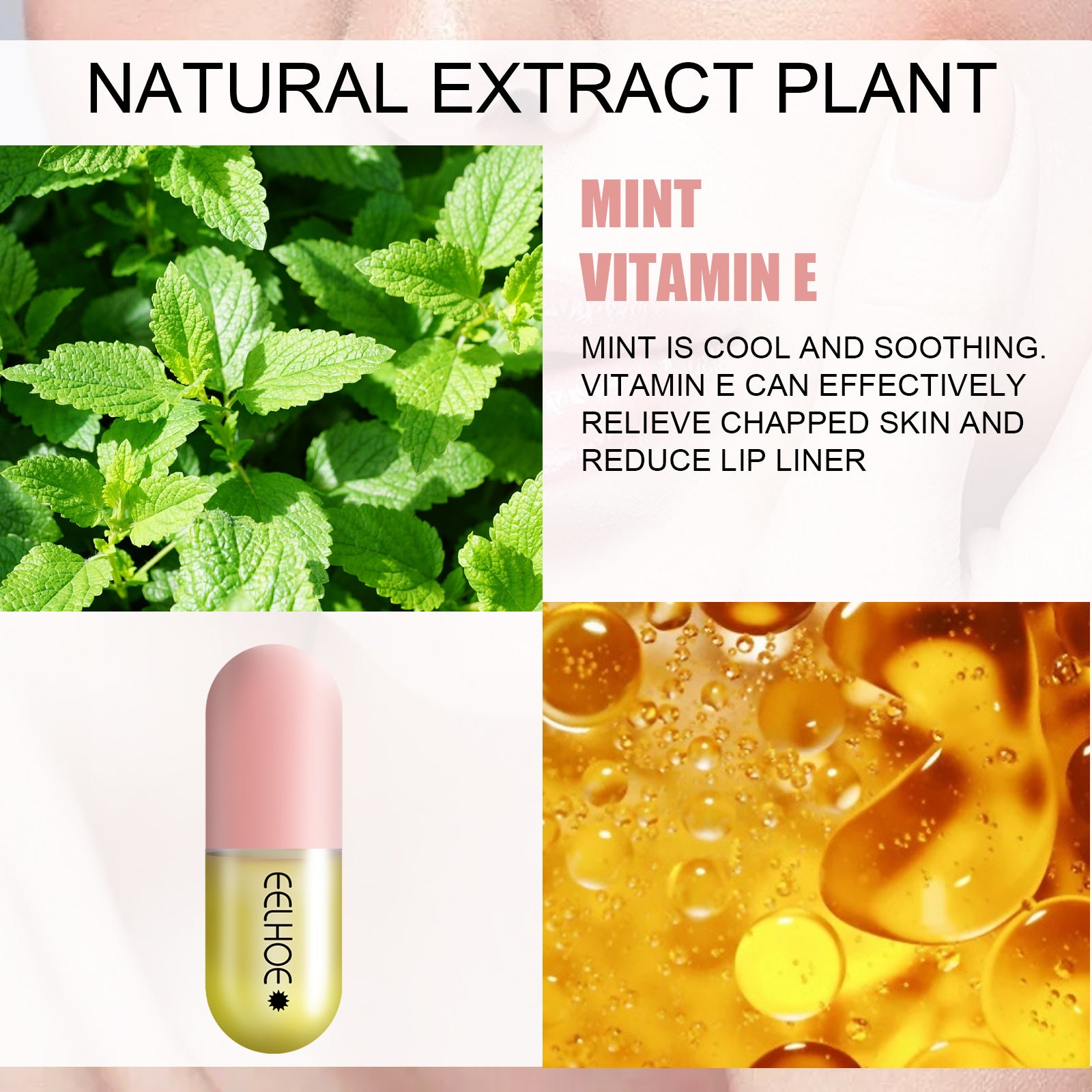
Ingredient-level safety and sensitivity. This is where most product roundups stop short. Warming and stimulating ingredients are the usual culprits behind irritation, and reactions vary widely from person to person. A practical approach:
- Patch test on the inner arm or jawline for 24 hours before first use.
- Apply a thin layer to one lip corner and wait an hour before committing to full wear.
- Stop use if you feel burning that escalates, swelling, peeling, or redness lasting past an hour. Tingling is expected; pain is not.
- Avoid formulas with strong stimulants if your lips are cracked, sunburned, or recently exfoliated, since broken skin absorbs actives faster and reacts more sharply.
- If you use retinoids, acids, or have a history of cold sores, introduce one new plumper at a time so you can identify the trigger.
A common pattern is that people blame the plumper for irritation caused by over-application or by layering it over an exfoliant. One thin layer is usually enough, and a clean beauty ingredient guide helps you screen labels before you buy.
How Long Does Lip Plumper Last and What Wear Time to Expect
How long a lip plumper lasts depends on the formula and how it is worn. Plan on reapplication as needed through the day.
Wear time depends on the formula:
- Gloss and oil finishes fade fastest, often within two hours
- Balm-based plumpers hold moisture longer but plump less
- Tinted formulas leave color behind even after the plump fades
Wear time varies by formula, so here is what to expect from each finish.
| Formula | Wear time | Note |
|---|---|---|
| Gloss and oil finishes | Fade fastest, often within two hours | Maximize shine and look of volume |
| Balm-based plumpers | Hold moisture longer | Plump less |
| Tinted formulas | Leave color behind after plump fades | Color and plump in one step |
Choosing a Lip Plumper for Sensitive Lips
Sensitive lips need a plumper with fewer stimulating actives and more barrier support. Start with a patch test on the inner arm, then apply a thin layer to one lip corner before committing to full wear.
Watch for these irritation signals: burning that escalates, swelling, peeling, or redness lasting past an hour. Tingling is normal; pain is not. Formulas built on hydration first, stimulation second, suit reactive lips best, and a clean beauty ingredient guide helps you screen labels before you buy.
The Best Lip Plumper That Actually Works: What to Look For
A suitable lip plumper matches your desired result, your sensitivity, your preferred finish, and your tolerance for tingling. Rather than chasing a single winner, use a decision framework so you can compare formulas on consistent criteria.
Step 1: Define the result you want. Decide whether you want visible temporary fullness, shine and contouring, hydration and comfort, or color plus plump in one step. These are different jobs, and a balm built for comfort will not deliver the same visible effect as a stimulant-led gloss.
Step 2: Set your sensitivity threshold. If your lips are reactive, prioritize hydrator-led formulas with low or no menthol, cinnamon, or capsicum. If you enjoy the tingle and have resilient lips, a stimulant-forward formula is fine. Patch test either way.
Step 3: Choose a finish and shade. Clear for layering over lip color, sheer for everyday polish, tinted for color and plump in one step.
Step 4: Judge performance on consistent criteria. Compare products on four things: visible effect (can you see a difference, or only feel a tingle?), onset (how many minutes until the effect peaks?), duration (how long before it fades?), and comfort (warming versus painful). A plumper that peaks in two minutes and fades in 30 is a different product from one that builds slowly and holds for two hours.
Step 5: Assess the claims. Before-and-after images are usually lit and angled to flatter. Ingredient lists tell you more than marketing copy. A plumper is a temporary treatment, not a lip filler alternative.
Step 6: Weigh value and accessibility. Consider price per use, shade range, fragrance, and whether the formula is available in a version with little or no tingling. These details rarely appear in product roundups but matter for daily wear.
A quick screening checklist:
- Actives appear in the top half of the ingredient list
- Hydrators like hyaluronic acid or glycerin are present
- The tingle is warming, not painful
- Wear time matches what the brand claims
- The finish suits your routine
- The formula has been patch tested on your skin
Clear, Sheer or Tinted: Matching the Formula to Your Routine
Match the formula to how you actually wear it: clear for layering over lip color, sheer for everyday polish, tinted for days you want color and plump in one step. There is no universal best, only the best fit for your routine.
A 2-in-1 lip gloss comparison helps if you are torn between shine and care. For most people, a sheer or tinted gloss covers the most ground because it plumps and colors at once.
Gloss Finish vs Balm Finish
Gloss finish maximizes shine and the look of volume, reflecting light across the lip surface. Balm finish prioritizes comfort and moisture, with subtler plumping. Dry lips do better with balm; photo-ready moments call for gloss. Many shoppers keep one of each.
Application and Removal Tips for a Fuller-Looking Pout
Apply plumper to clean, exfoliated lips for the smoothest, fullest result. A scrub-and-mask lip care kit supports this exfoliate-then-plump routine. A gentle scrub removes flaking first, then a thin layer of plumper sits evenly instead of catching on texture.
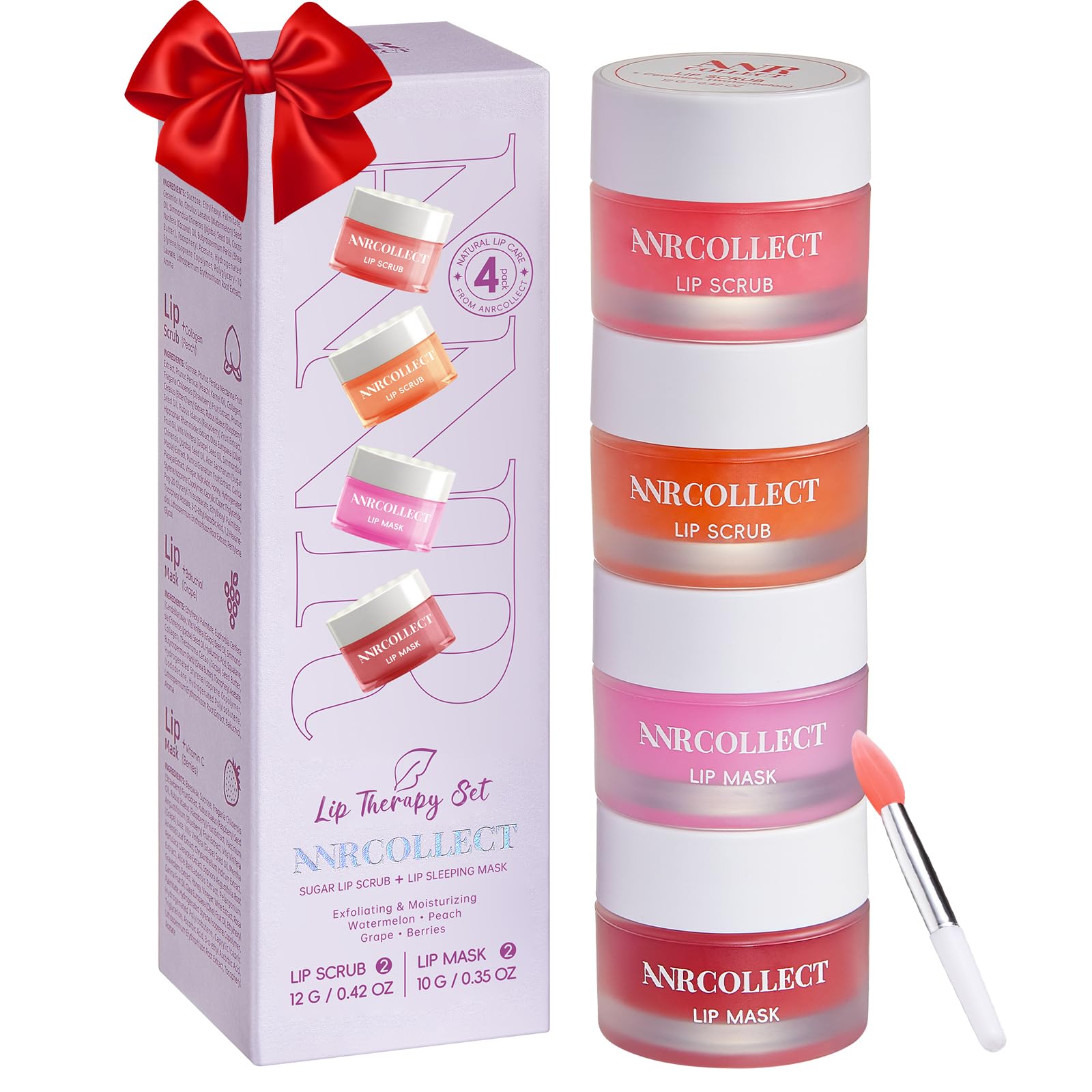
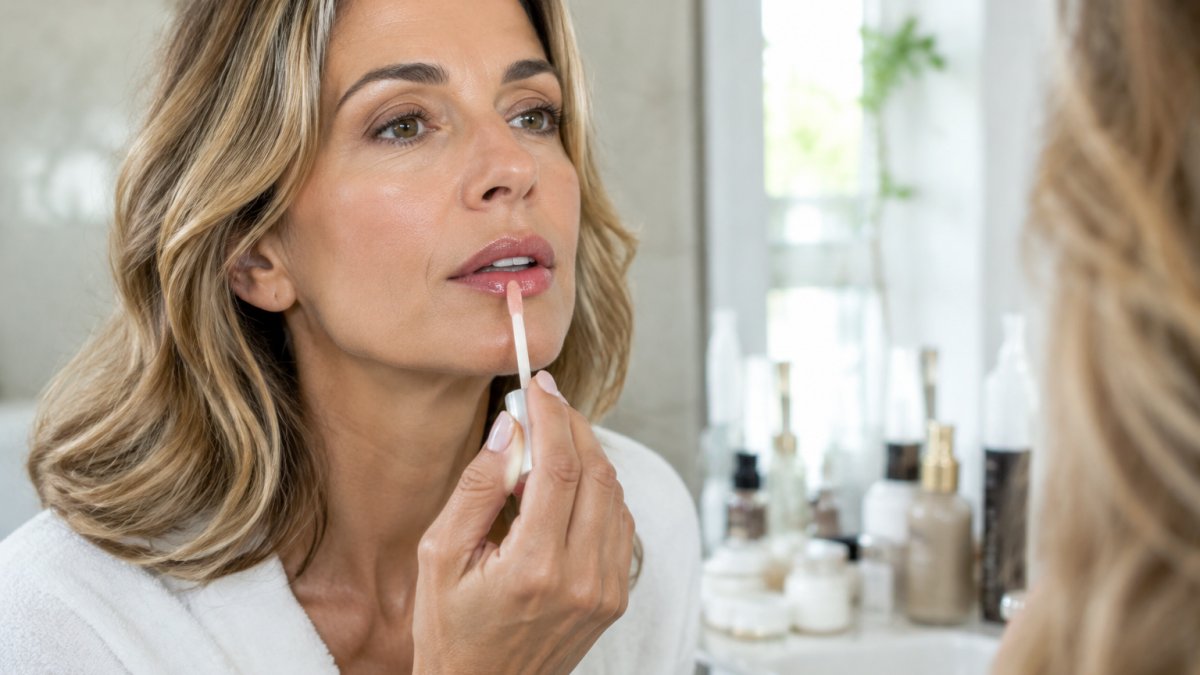
A simple routine:
- Exfoliate with a scrub or mask, then pat dry
- Apply a thin layer, starting at the center of the lip
- Wait a minute for the plumping effect to build
- Layer gloss or color on top if you want shine
- Remove with oil-based cleanser at night, never a harsh wipe
Watch out: over-applying plumper to chase more volume usually causes irritation, not fullness. One thin layer is enough.
Build Your Plumping Routine at Doverkad
A routine beats a single product. Cleanse, apply your plumper, then seal with hydration at night.
The 2-in-1 Red Lip Gloss & Plumper combines high-pigment color with plumping lip oil for moisturizing wear. The Plumping Hydrating Lip Oil delivers a sheer pink tint with a non-sticky glass finish,
Start with a tinted plumping lip oil to build the routine, and keep daily essentials within reach so you actually use them.
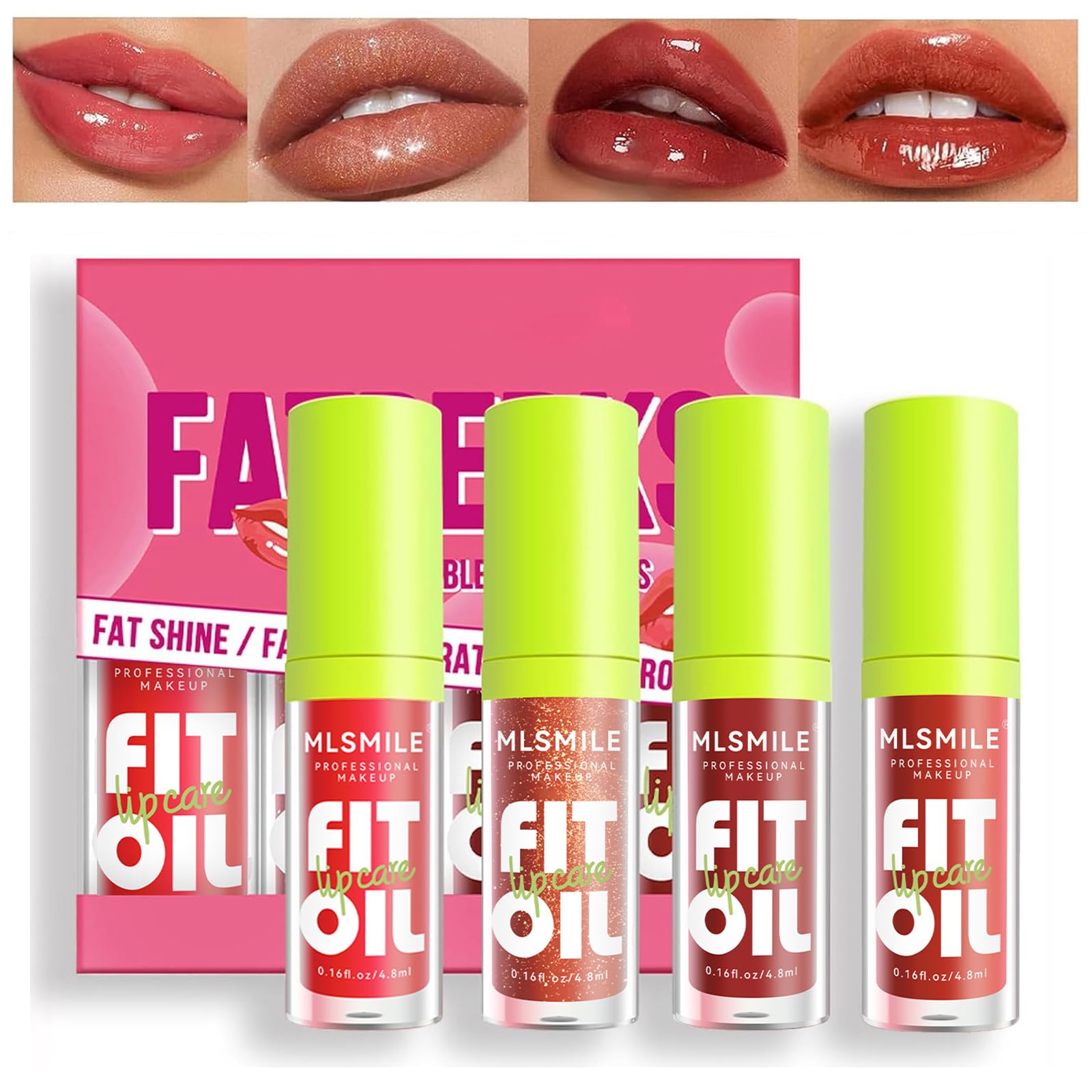
Ready to stop guessing which plumper works? Doverkad curates multi-tasking lip essentials, 24K gold-infused skincare, and 360° rotating organizers so your whole routine lives in one cart. Get started with Doverkad and build a plumping routine that delivers visible results.
Frequently Asked Questions
How do I know if a lip plumper actually works or is just a shiny gloss?
Check the ingredient list and the finish it delivers. A plumper that works usually lists stimulating or hydrating actives near the top and produces a visible change in lip volume within minutes, not just shine. Look for honest language about temporary effects, and treat any claim of permanent fullness with suspicion. At Doverkad, the 2-in-1 Red Lip Gloss & Plumper pairs high-pigment red color with a plumping lip oil, so you get color and a plumped look from one tube rather than a gloss with a fancy name.
Which lip plumper ingredients should I look for, and which should I avoid with sensitive lips?
Lip plumper formulas are often built from stimulating ingredients that create a warming sensation, plus hydrating ones that help moisturize the lip surface. If your lips are sensitive, start with a formula built around hydration rather than strong tingling, patch test on your inner arm first, and avoid anything that causes burning rather than mild warmth. Read the full ingredient list before committing. Ingredients are listed by concentration, so if the hero active sits near the end, you are mostly buying scent and shine.
How long does lip plumper last, and how often will I need to reapply?
Plumping effects are temporary, so gloss and oil formulas may need reapplication through the day. Hydrating oil-based options tend to wear comfortably and can be topped up through the day without flaking. Give any new formula a fair trial across several wears before judging it,
Can a lip plumper give fuller-looking lips without irritation?
Yes, if you choose a hydrating, oil-based formula rather than one built on aggressive tingling. Apply thinnest to thickest in your routine, patch test first, and stop using anything that causes lasting soreness. A sheer, non-sticky option such as Doverkad's Plumping Hydrating Lip Oil delivers a sheer pink tint with a plumping, glassy shine while nourishing dry lips.
