
Last Updated: November 11, 2026
Quick Summary
The clean beauty ingredients to look for are humectants and barrier supporters like glycerin, hyaluronic acid, panthenol, ceramides, squalane, and fatty acids, plus proven actives such as retinol, niacinamide, and vitamin C. Prioritize named INCI ingredients, full fragrance disclosure, and real preservatives over marketing words.
- Clean beauty has no legal or regulatory definition, so ignore the badge and read the formula.
- Ingredients are listed in descending order down to 1%, and anything at or below 1% can appear in any order.
- The first five names tell you what you are mostly buying, such as water, glycerin, or alcohol.
- Fragrance is the single most common cause of cosmetic contact allergy, and essential oils are not automatically gentler.
- Give any new essential a full month before judging it, since skin works on a roughly 28-day cycle.
Table of Contents
- What Clean Beauty Ingredients Actually Mean on a Label
- How to Read an Ingredient List Without Getting Lost
- Clean Beauty Ingredients to Look For in a Serum or Moisturizer
- Skincare Ingredients to Avoid and When to Make an Exception
- Using a Skincare Ingredients Checker the Right Way
- Fragrance, Essential Oils, and Sensitization Risk
- Matching Ingredients to Your Skin Type and Concerns
- How to Verify Clean Claims Before You Buy
- Building a Clean Routine at Doverkad
- Frequently Asked Questions
What Clean Beauty Ingredients Actually Mean on a Label
"Clean beauty" is an informal marketing term for products formulated without ingredients a brand considers questionable, and it has no legal or regulatory definition. That matters because the phrase can describe almost anything. At Doverkad, we treat it as a starting point for reading labels, not a guarantee. Below, we break down what clean beauty ingredients to look for actually means in practice, how to read a full ingredient list, and where the term stops being useful.
Why 'Clean' Has No Legal Definition
No regulator maintains an approved list of "clean" ingredients. Unlike organic food certification, which follows published standards, clean beauty is defined by whoever prints the label. Two brands can both call themselves clean while using completely different ingredient rules.
That leaves the buyer with the work. The U.S. Food and Drug Administration's guidance on cosmetics labeling requires ingredients to be listed, but it does not police the word "clean." A brand that avoids synthetic fragrance may still use essential oils that irritate sensitive skin; a brand that avoids silicones may load up on alcohol. Neither choice is automatically better.
The practical move is to ignore the badge and read the formula.
The Clean Ingredients List That Earns Its Place
A useful clean ingredients list is one you can verify, not one a brand hands you.
- Named ingredients, not marketing words. "Botanical extract" tells you nothing; "aloe barbadensis leaf juice" tells you what it is.
- Full fragrance disclosure. "Fragrance" or "parfum" can hide dozens of compounds.
- Real preservatives. Water-based products need them; a "preservative-free" cream in a jar is a contamination risk.
- Actives high enough to matter. A serum that lists its star ingredient after the preservative is mostly carrier.
That framework is the foundation for everything below. Once you can read a label this way, "clean" becomes a detail rather than a decision.
How to Read an Ingredient List Without Getting Lost
Reading an ingredient list means knowing two labeling rules: ingredients appear in descending order of concentration down to 1%, and anything present at or below 1% can be listed in any order. Those two rules explain most of what confuses shoppers, and they also mark the limit of what a label can tell you. A list is a ranked roster, not a recipe with percentages.
The first five names are usually water, solvents, and the bulk of the formula. If your skin concern is hydration, a humectant should appear near the top of the list.
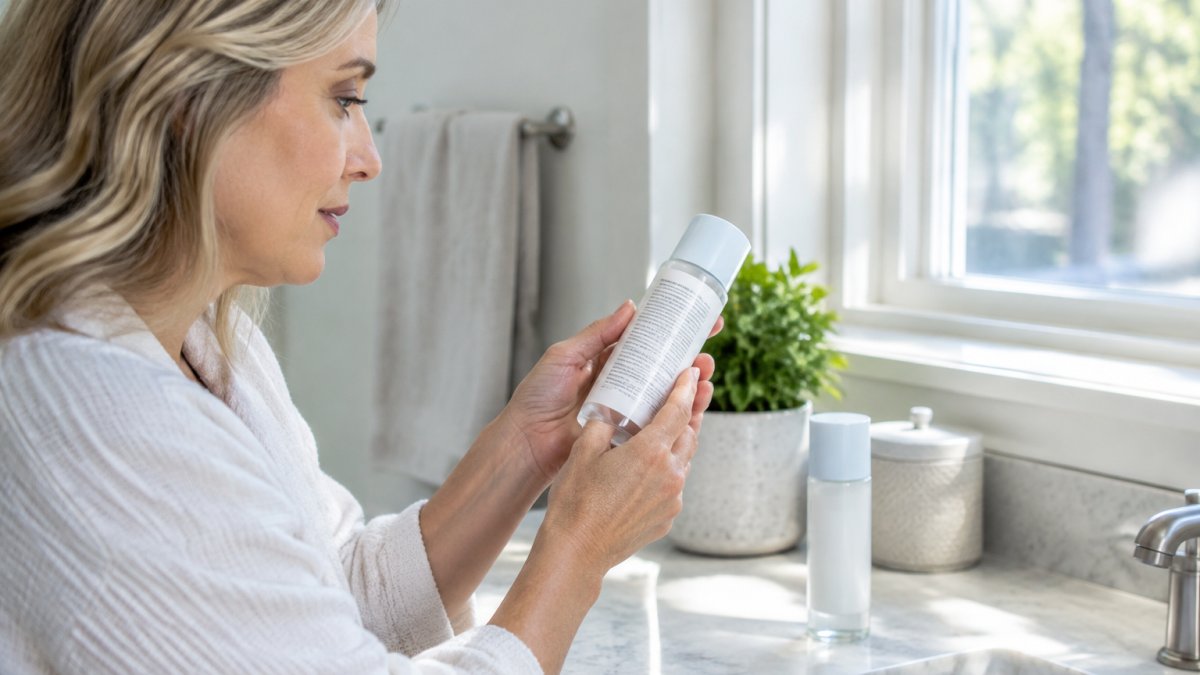
A Step-by-Step Method for Evaluating a Full Label
Most shoppers read the front of the pack and stop. A manual workflow takes about five minutes and works on any product, with or without a database tool.
- Find the full INCI list, not the marketing panel. The ingredient list is usually on the back or side, printed in small type. If the brand only shows "key ingredients" online and will not publish the full list, treat that as a signal.
- Read the first five names to identify the base. Water (aqua), glycerin, alcohols, and carrier oils tell you what you are mostly buying. A formula that opens with alcohol denat is a different product from one that opens with glycerin, even if both claim the same benefit.
- Locate the 1% line and sort actives above and below it. Everything above the line is present in meaningful proportion; everything below is present in small amounts. Potent actives like retinol can work below 1%.
- Check for umbrella terms. "Fragrance" or "parfum" can hide dozens of compounds, and "botanical extract" tells you nothing about which plant or how much. Named INCI ingredients are verifiable; marketing words are not.
- Confirm the preservative system matches the product. Water-based products need preservatives. A "preservative-free" cream in a jar is a contamination risk, not a purity badge.
- Cross-check your known triggers. Scan for fragrance, essential-oil components like limonene and linalool, drying alcohols, and acids. Your own history matters more than a generic blacklist.
- Re-read the claims against the list. If the hero ingredient is named in INCI form and sits above the preservative, the claim has support. If it appears in the last five names, the claim is mostly narrative.
That workflow is the practical version of "reading a label." It does not require a tool, and it works on a cleanser, a serum, or a body oil.
Order, Concentration, and What the First Five Names Tell You
The first five names tell you what you are mostly buying. Water, glycerin, and a carrier oil near the top mean a hydrating base; alcohol denat near the top means a fast-drying, potentially drying formula. Everything below the 1% line is present in small amounts, which is fine for potent actives like retinol but misleading for claims built on trace ingredients.
What order cannot tell you is exact concentration. A label does not disclose percentages, so two products with the same ingredient in the same position can differ substantially in how much is actually there. Order also says nothing about delivery, pH, packaging, or whether the formula keeps an active stable. A vitamin C serum can list ascorbic acid high and still oxidize in a clear bottle.
A common mistake is assuming a longer list means a worse product. Preservatives, thickeners, and pH adjusters are necessary. What matters is whether the ingredients you want sit high enough to work, and whether anything you react to appears at all.
Watch out: treating the 1% line as a hard cutoff for "active enough" can mislead you, because some actives are effective at low concentrations.
For a deeper walkthrough of decoding labels term by term, see our clean skincare ingredient list guide.
Clean Beauty Ingredients to Look For in a Serum or Moisturizer
The clean beauty ingredients worth prioritizing in a serum or moisturizer fall into two groups: humectants and barrier supporters that keep skin comfortable, and proven actives that change skin over time. Most routines only need a few from each.
Hydration First: Humectants and Barrier Support
Hydration comes before glow. Glycerin, hyaluronic acid, and panthenol pull water into the upper layers; ceramides, squalane, and fatty acids seal it in. Skin that is well hydrated makes everything layered on top, from makeup to masks, perform better.
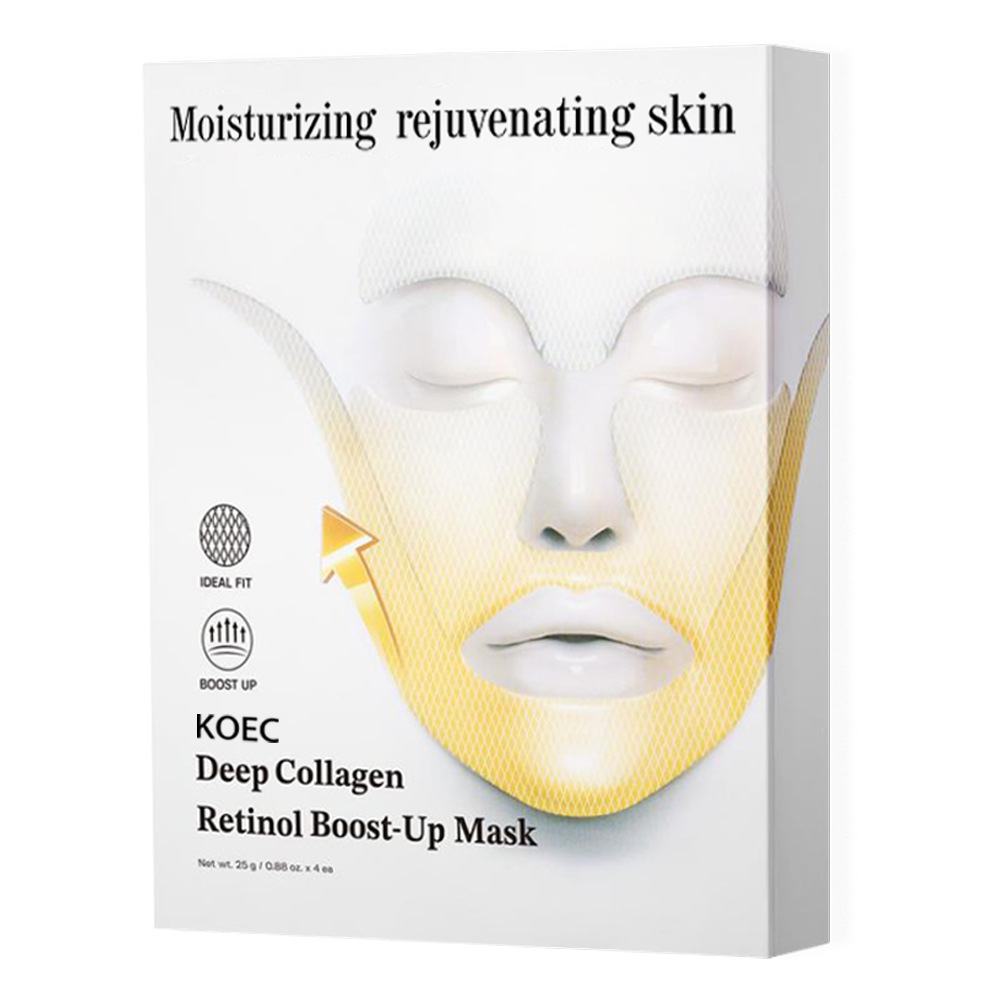
If your barrier feels reactive, start here rather than with actives. A moisturizer built on skin-compatible fatty acids, like our tallow face moisturizer, supports the barrier while you introduce stronger ingredients slowly. Pair it with a hydrating mask once or twice a week rather than layering three new serums at once.
Actives That Earn Their Place: Retinol, Niacinamide, Vitamin C
Three actives have enough evidence behind them to justify the shelf space. Retinol is a well-studied active often used for the look of fine lines. Niacinamide and vitamin C are commonly used actives in skincare.
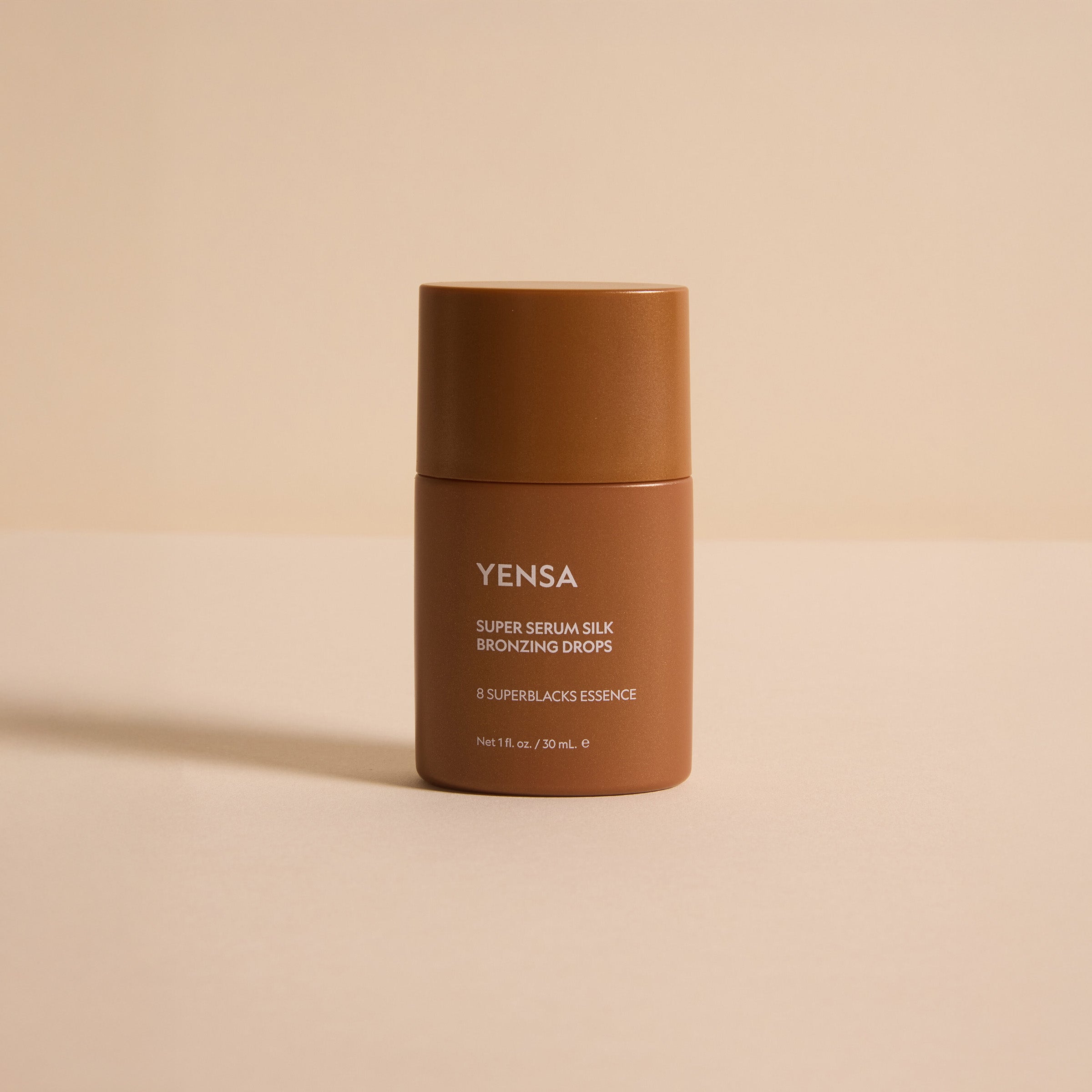
The catch is delivery. An active only helps if the formula keeps it stable and the concentration is meaningful. When you want those actives in a serum you can actually layer, our bronzing serum drops show how a treatment fits into a routine without replacing your moisturizer.
Skincare Ingredients to Avoid and When to Make an Exception
The skincare ingredients to avoid are the ones most likely to trigger irritation in your skin, not a universal blacklist. The useful distinction is between hazard and risk: a hazard is an ingredient's potential to cause harm, while risk depends on concentration, how the product is used, how long it stays on skin, and how sensitive you are. A flagged ingredient in a wash-off cleanser is a different exposure than the same ingredient in a leave-on serum.
- Fragrance and parfum: a common cause of contact reactions, and impossible to evaluate when undisclosed. Risk rises with leave-on products and with repeated exposure.
- Denatured alcohol high on the list: fine in a lightweight sunscreen where fast drying is the point, drying in a daily moisturizer that sits on skin all day.
- Essential oils: natural, but limonene and linalool are documented sensitizers, and oxidized oils become more sensitizing over time.
- Physical scrubs with rough particles: exfoliation is useful; abrasion is not. The risk is mechanical irritation, not a chemical hazard.
Exceptions can exist, depending on exposure rather than the ingredient itself. A fragrance-free routine is the safer default for reactive skin, but a well-formulated product with a small amount of fragrance may suit you if you have never reacted. The rule is your own history, not a list someone else wrote.
Dose, Exposure, and Individual Sensitivity
Most "avoid" lists collapse hazard and risk into one label. A more useful frame asks three questions: how much is present, how the product is used, and whether your skin has shown a reaction before.
Concentration matters. An acid at a low percentage in a daily toner and the same acid at a high percentage in a weekly peel are not the same risk. Exposure route matters. A rinse-off cleanser contacts skin for under a minute; a leave-on moisturizer stays for hours. Individual sensitivity matters most of all. Contact allergy is cumulative, so a product that feels fine for months can start causing redness or itching once your immune system has been primed.
That is why a hazard score alone cannot tell you whether a product is right for you. It flags potential, not your actual exposure.
Fragrance, Essential Oils, and Sensitization
Fragrance is the single most common cause of cosmetic contact allergy, and "natural" essential oils are not automatically gentler. Lavender, citrus, and tea tree oils contain compounds like linalool and limonene that oxidize and become more sensitizing over time.
If you have reacted before, choose fragrance-free formulas and patch test anything new on your inner forearm for a few days. If a product stings on contact and keeps stinging, stop using it rather than pushing through. A preservative-free, essential-oil-scented cream can be more irritating than a fragrance-free moisturizer with a standard preservative system.
Watch out: "fragrance-free" and "unscented" are not the same claim, an unscented product may still contain masking fragrance, so read the INCI list rather than the front label.
When an Exception Is Reasonable
An exception is reasonable when the exposure is low and your history is clear. A rinse-off product with a small amount of fragrance, used on skin that has never reacted, is a different calculation from a leave-on serum applied daily to reactive skin. If you are introducing a new active or a new fragrance-containing product, add one at a time so you can attribute any reaction.
The practical rule: judge ingredients by concentration, contact time, and your own sensitivity, not by whether they appear on someone else's avoid list.
Using a Skincare Ingredients Checker the Right Way
A skincare ingredients checker is a database tool that flags ingredients by safety rating or function. That saves time. It does not replace your own reading.
- Look up unfamiliar INCI names to learn what each ingredient does.
- Check for your known triggers rather than chasing a low overall score.
- Read the concentration context the tool gives, not just the flag.
- Cross-check the brand's full list against the checker, since databases lag behind reformulations.
Watch out: safety scores often rate hazard without weighing dose or how the product is used, so a "7" on a wash-off cleanser means something different than a "7" on a leave-on serum. Treat the score as a question to investigate, not a verdict.
Fragrance, Essential Oils, and Sensitization Risk
Fragrance is the single most common cause of cosmetic contact allergy, and "natural" essential oils are not automatically gentler. Lavender, citrus, and tea tree oils contain compounds like linalool and limonene that oxidize and become more sensitizing over time.
Sensitization is cumulative. A product that feels fine for months can start causing redness or itching once your immune system has been primed. If you have reacted before, choose fragrance-free formulas and patch test anything new on your inner forearm for a few days. If a product stings on contact and keeps stinging, stop using it rather than pushing through.
This is the area where "clean" marketing misleads most. A preservative-free, essential-oil-scented cream can be far more irritating than a conventional fragrance-free moisturizer with a standard preservative system.
Matching Ingredients to Your Skin Type and Concerns
Match ingredients to your skin type before you match them to trends. Oily and acne-prone skin is often matched with ingredients such as niacinamide and salicylic acid. Dry skin needs ceramides, glycerin, and occlusives. Sensitive skin does best with a short list and no fragrance. Mature skin often responds to retinol plus consistent hydration.
| Skin type or concern | Ingredients to prioritize | Ingredients to limit |
|---|---|---|
| Oily, acne-prone | Niacinamide, salicylic acid | Heavy oils, thick occlusives |
| Dry | Glycerin, ceramides, squalane | High-alcohol toners |
| Sensitive, reactive | Panthenol, fragrance-free formulas | Fragrance, essential oils |
| Fine lines, dullness | Retinol, vitamin C, peptides | Over-exfoliation |
| Body care, post-shave | Soothing oils, fatty acids | Harsh fragrance |
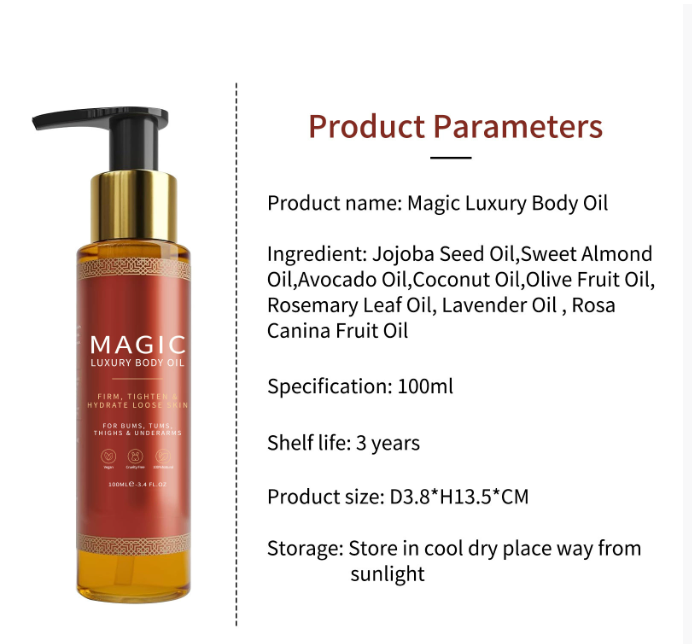
Body care follows the same logic. A fast-absorbing body oil works well after shaving because it seals in moisture without a heavy residue. For the face, keep the routine short and let each product do one job well.
How to Verify Clean Claims Before You Buy
Verifying a clean claim takes about five minutes and saves a wasted purchase. Start with the full ingredient list, not the front of the pack. If the brand will not publish it, that is your answer.
Then check the specifics:
- Is the hero ingredient named in INCI form? If not, the claim is vague.
- Does the brand disclose fragrance components? Full disclosure signals confidence.
- Is there a batch or expiry date? Preservatives and actives degrade.
- Does the product page explain concentrations? A brand that shares percentages is usually serious about formulation.
The Cosmetic Ingredient Review expert panel publishes independent safety assessments on individual ingredients, which is more useful than a star rating. And the Environmental Working Group's Skin Deep database can help you interpret a label, provided you read its ratings as screening tools rather than final word.
If a claim cannot be checked against a published list or a named standard, treat it as marketing until proven otherwise.
Building a Clean Routine at Doverkad
Building a clean routine starts with fewer products, each chosen for a job, applied thinnest to thickest: cleanse, treat, moisturize, protect. Give any new essential a full month before judging it, since skin works on a roughly 28-day cycle. Hydration comes first; glow follows.
At Doverkad, we curate each piece for one visible job rather than filling a shelf. Our Evening Ritual Essentials collection is built for exactly this: a short, sequenced routine you can assemble in one cart instead of hunting across ten shops. Keep your daily pieces within arm's reach, store the rest cool and dry, and let the routine stay simple enough that you actually follow it.
The hardest part of clean beauty is not finding products; it is cutting through claims to a formula you can trust. Doverkad makes that simpler with a curated glow shelf, 24K gold-infused treatments, and multi-tasking essentials chosen piece by piece. Start with our Evening Ritual Essentials and build a routine that earns its place on your shelf.
Frequently Asked Questions
What ingredients should I look for in clean beauty products?
Start with the function you need. For hydration, look for glycerin, hyaluronic acid, and fatty acids from plant oils. For barrier repair, ceramides and squalane. For tone and texture, niacinamide, vitamin C (ascorbic acid), and gentle acids like lactic or glycolic. Retinol remains the best-studied option for fine lines. A clean beauty ingredients approach means every name on the list has a job you can explain, not that the list is short.
How can I tell whether a beauty ingredient is safe for my skin?
Safety depends on dose, exposure, and your own sensitivity, not on whether a name sounds chemical. Patch test any new product on your inner forearm for two nights before using it on your face. Fragrance and essential oils are the most common causes of contact reactions, so introduce one new product at a time. If you have a diagnosed condition or are pregnant, ask a dermatologist before starting retinol, hydroquinone, or high-percentage acids.
Are natural ingredients always safer for skin?
No. Poison ivy is natural. Essential oils such as citrus and peppermint are among the most frequent sensitizers in cosmetics, and plant extracts can trigger allergic reactions just as easily as synthetic ones. What matters is concentration, formulation, and whether an ingredient has evidence behind it at the level used. A well-formulated product with a synthetic humectant can be gentler than a botanical-heavy one loaded with fragrance.
Can I use a skincare ingredients checker to evaluate a product?
Yes, but treat the result as a starting filter, not a verdict. A skincare ingredients checker flags known irritants and allergens quickly, which saves time on a long label. It cannot tell you the concentration of each ingredient, how the formula performs on your skin type, or whether the product is stable in its packaging. Use the checker to shortlist, then read the label order and patch test before committing.
What does clean beauty mean on an ingredient label?
There is no legal definition of clean beauty in the US, so any brand can print it. In practice, most use it to mean a formula free of a self-selected list of ingredients, often parabens, phthalates, sulfates, and synthetic fragrance. Read the actual clean ingredients list on the back rather than the front-of-pack claim. If a brand will not publish a full INCI list, that tells you more than any badge on the box.
What is the 4-2-4 rule in skincare?
The 4-2-4 rule is a routine structure, not an ingredient rule: four minutes to cleanse and prep, two minutes to apply treatments and moisturizer, four minutes for sunscreen and makeup. It is a timing guide for people who want a consistent routine without a twelve-step shelf. The ingredient logic still applies: thinnest to thickest, hydration before actives, and sunscreen last every morning.
